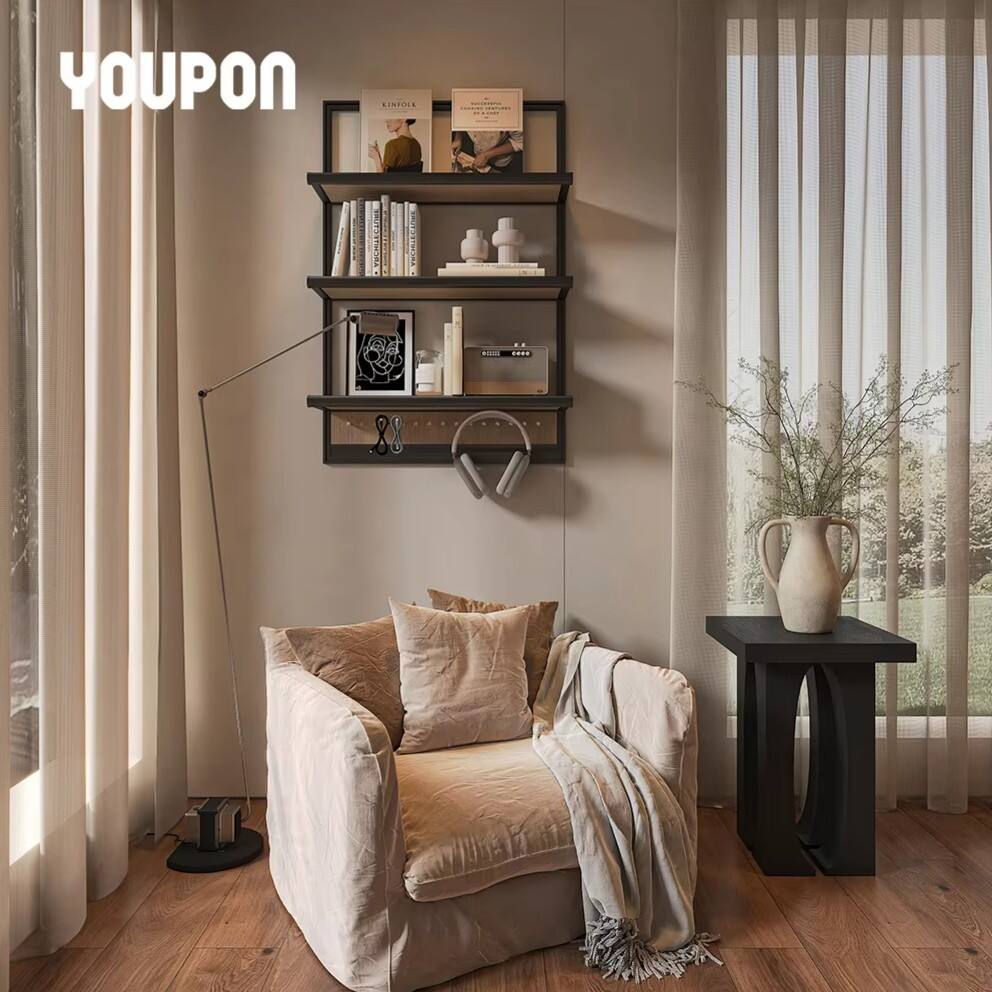
Revolutionary Integrated Wall Solutions: Advanced Modular Building Systems for Modern Construction

All Categories

Get a Free Quote

Our representative will contact you soon.
Email
Name
Company Name
Message
0/1000

integrated wall solutions

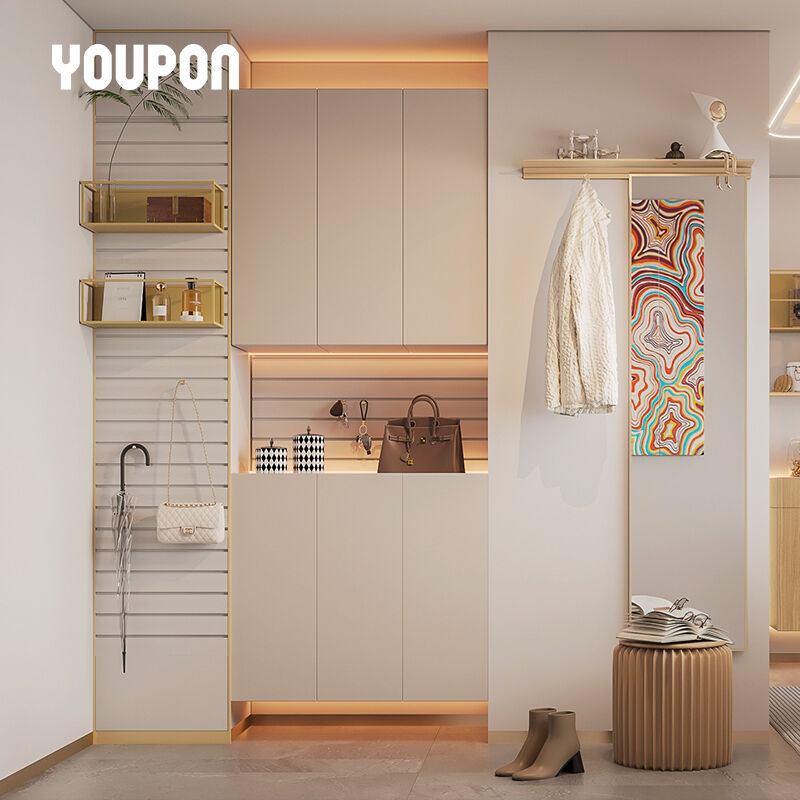
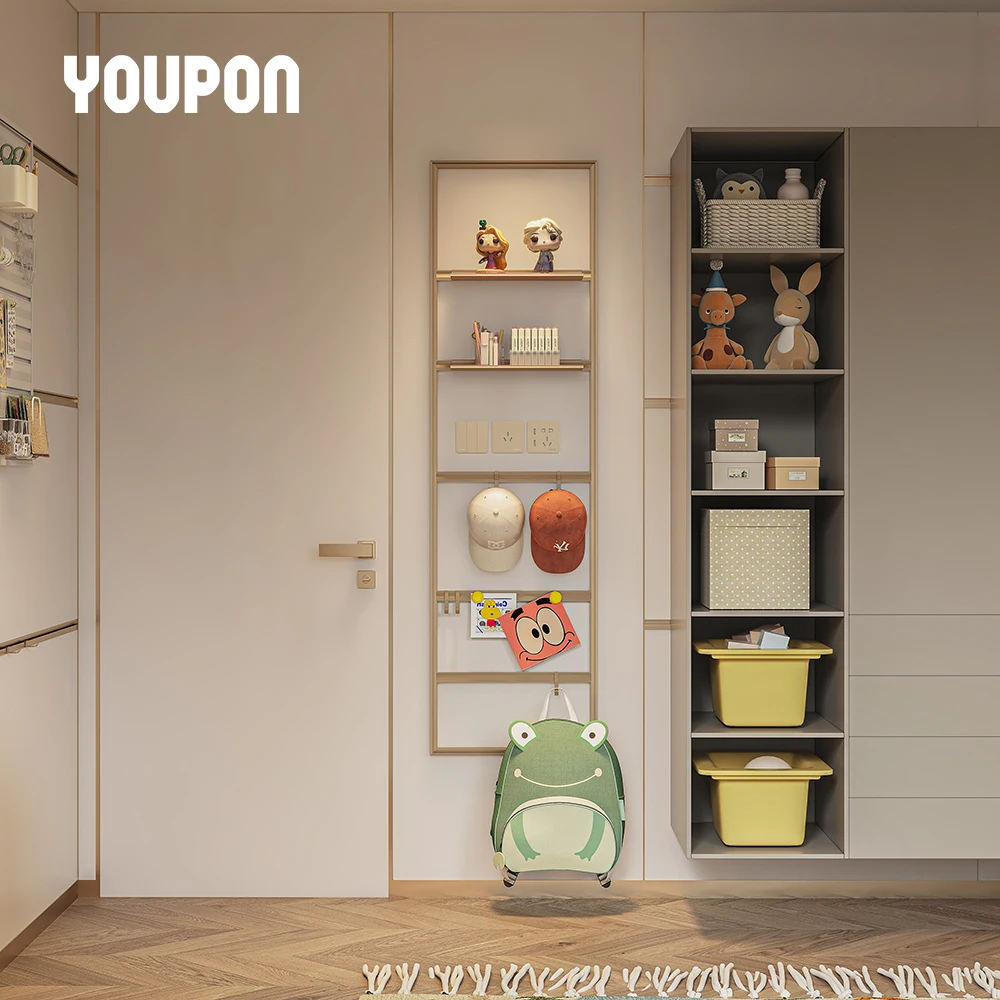
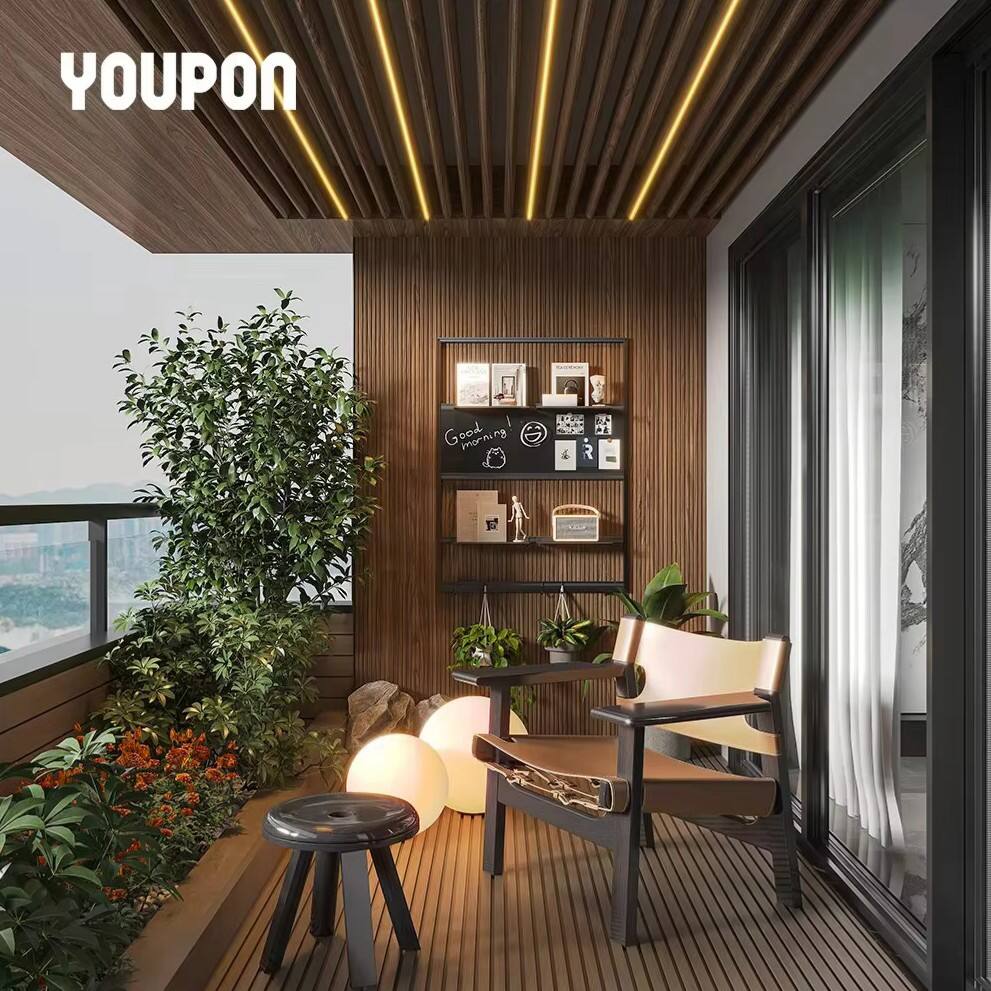
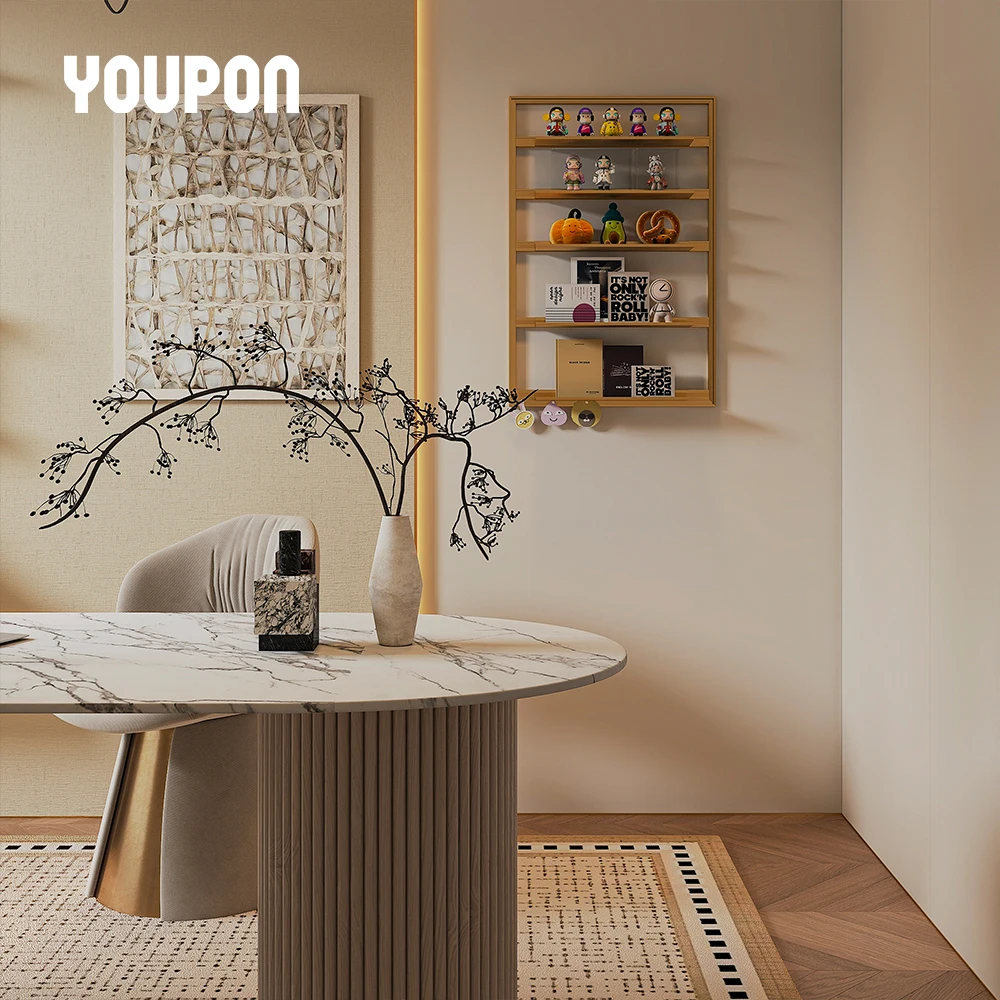
Integrated wall solutions represent a revolutionary approach to modern construction and interior design, combining multiple building functions into a single, cohesive system. These advanced wall systems incorporate structural support, insulation, electrical conduits, plumbing infrastructure, and aesthetic finishing elements within one unified framework. The core technology behind integrated wall solutions utilizes modular components that seamlessly connect to create continuous wall surfaces while housing essential building services. This innovative construction method eliminates the need for separate installation phases traditionally required for different building systems. The integrated wall solutions feature prefabricated panels manufactured in controlled environments, ensuring consistent quality and precise engineering specifications. Each panel incorporates channels and pathways specifically designed to accommodate electrical wiring, data cables, HVAC ducting, and plumbing lines without compromising structural integrity. The technological framework includes smart connectivity options, allowing for easy integration of modern building automation systems and IoT devices. These wall systems utilize advanced materials such as high-performance composites, engineered plastics, and specialized metal alloys that provide superior durability and thermal efficiency. The applications for integrated wall solutions span across residential construction, commercial buildings, healthcare facilities, educational institutions, and industrial complexes. In residential settings, these systems enable rapid construction while maintaining high-quality finishes and energy efficiency standards. Commercial applications benefit from the flexibility to reconfigure spaces quickly and cost-effectively. Healthcare environments utilize the antimicrobial properties and easy cleaning capabilities of certain integrated wall solutions. Educational facilities appreciate the durability and low maintenance requirements these systems provide. The modular nature of integrated wall solutions allows for easy expansion, modification, and upgrade of existing structures, making them ideal for dynamic business environments and growing organizations.


New Product Releases

Integrated wall solutions deliver significant time savings during construction projects by eliminating multiple installation phases and reducing coordination between different trades. Traditional construction requires separate teams for framing, electrical, plumbing, insulation, and finishing work, each waiting for previous phases to complete. With integrated wall solutions, these elements install simultaneously, reducing project timelines by up to 40 percent compared to conventional methods. The cost benefits extend beyond labor savings to include reduced material waste, fewer site deliveries, and decreased storage requirements on construction sites. Quality control improves dramatically because integrated wall solutions undergo factory fabrication under controlled conditions with consistent temperature, humidity, and quality assurance protocols. This controlled manufacturing environment eliminates weather-related delays and ensures superior finish quality that exceeds typical field construction standards. Energy efficiency represents another major advantage, as integrated wall solutions incorporate continuous insulation systems without thermal bridging that plague traditional construction methods. The seamless integration of insulation materials within the wall structure creates superior thermal performance, reducing heating and cooling costs by 25 to 30 percent annually. Installation crews require minimal specialized training because integrated wall solutions feature standardized connections and clear assembly instructions, reducing the skill gap often encountered with complex building systems. Maintenance becomes simpler and more cost-effective since all building services remain accessible through designed access panels without requiring destructive wall removal. The flexibility of integrated wall solutions allows building owners to adapt spaces for changing needs without major renovations, supporting sustainable building practices and extending facility lifecycles. Future upgrades to electrical, data, or mechanical systems become straightforward processes rather than disruptive construction projects. Environmental benefits include reduced construction waste generation, lower transportation impacts due to efficient packaging, and improved building performance that reduces long-term energy consumption. The durability of integrated wall solutions exceeds traditional construction methods, with many systems carrying extended warranty periods and requiring minimal maintenance over their operational lifetime.

Practical Tips

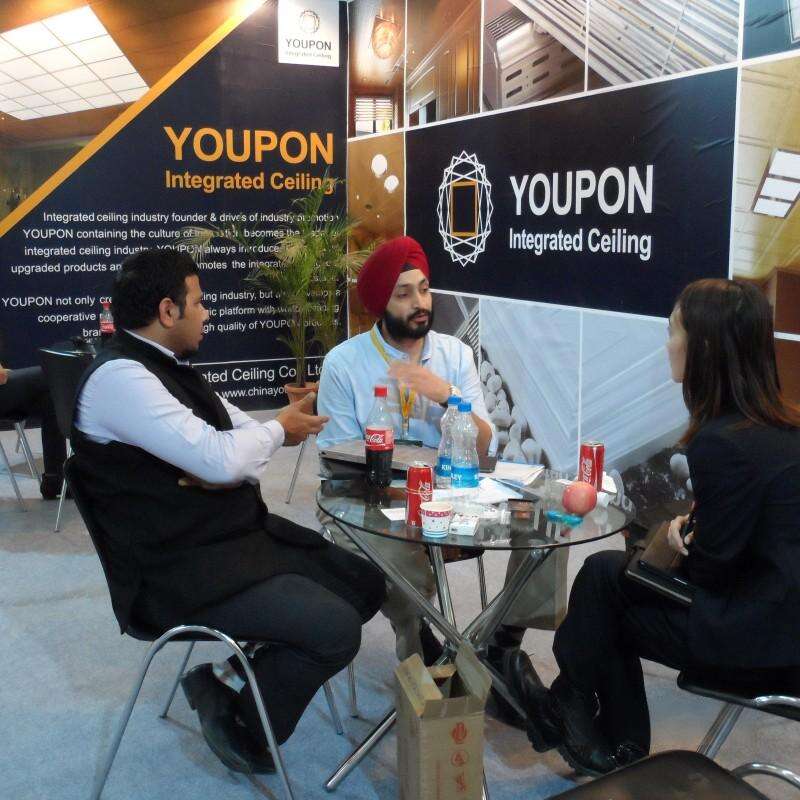
China's Integrated Ceiling Industry Makes Landmark Overseas Debut at India ACETECH, Youpon Shines

03

Dec

China's Integrated Ceiling Industry Makes Landmark Overseas Debut at India ACETECH, Youpon Shines

View More
Youpon Deepens Home & Space Solutions, Leveraging Full-Industry-Chain Strength for Premium Products

21

Nov

Youpon Deepens Home & Space Solutions, Leveraging Full-Industry-Chain Strength for Premium Products

View More
Azerbaijani Delegation Visits Youpon: Innovative Strength and Cooperation Potential Garner High Recognition

21

Nov

Azerbaijani Delegation Visits Youpon: Innovative Strength and Cooperation Potential Garner High Recognition

View More

Get a Free Quote

Our representative will contact you soon.
Email
Name
Company Name
Message
0/1000

integrated wall solutions

Advanced Modular Design System

Advanced Modular Design System

The modular design system of integrated wall solutions represents a paradigm shift in construction methodology, offering unprecedented flexibility and efficiency in building projects. This innovative approach utilizes standardized components that connect seamlessly to create custom wall configurations for any architectural requirement. The modular framework consists of base panels, corner units, junction pieces, and specialized components for doors, windows, and service connections. Each module undergoes precise manufacturing using computer-controlled equipment that ensures dimensional accuracy within tight tolerances, eliminating field adjustment requirements that slow traditional construction. The standardized connection system employs mechanical fasteners and sealing technologies that create weathertight joints without requiring skilled labor or specialized tools. This modular approach enables architects and designers to create complex geometries and custom layouts while maintaining the cost advantages and speed of standardized components. The system accommodates various architectural styles from contemporary minimalist designs to traditional aesthetics through interchangeable exterior cladding options. Building owners benefit from the ability to reconfigure interior spaces by relocating modular wall sections, supporting evolving business needs without major construction disruption. The modular design facilitates phased construction projects where buildings can expand incrementally as funding becomes available or space requirements grow. Quality assurance improves significantly because each module undergoes comprehensive testing before leaving the factory, including structural load testing, thermal performance verification, and weatherization validation. The transportation efficiency of modular components reduces project costs and environmental impact through optimized packaging that maximizes shipping container utilization. Installation teams can work simultaneously on multiple building sections because the modular system eliminates sequential dependencies common in traditional construction. The standardized nature of components simplifies inventory management, reduces storage space requirements on construction sites, and enables just-in-time delivery schedules that minimize project financing costs.
Integrated Building Services Network

Integrated Building Services Network

The integrated building services network within these wall solutions revolutionizes how mechanical, electrical, and plumbing systems integrate into modern construction projects. This comprehensive approach embeds all essential building infrastructure directly into the wall structure, creating a unified system that eliminates the coordination challenges and space conflicts typical of conventional construction methods. The services network includes dedicated channels for electrical power distribution, low-voltage data and communication cables, HVAC supply and return air pathways, plumbing supply and waste lines, and fiber optic infrastructure for high-speed internet connectivity. Each service pathway incorporates appropriate separation and shielding to prevent electromagnetic interference and maintain system integrity throughout the building's operational life. The network design accommodates future technology upgrades through oversized pathways and pull-through capabilities that enable easy cable replacement or additional service installation without wall modification. Smart building integration becomes seamless through pre-installed sensor mounting points and communication infrastructure that supports building automation systems, energy monitoring equipment, and occupancy detection technologies. The services network includes strategically located access panels that provide maintenance access to critical system components while maintaining the wall's structural integrity and aesthetic appearance. Fire safety compliance exceeds traditional construction standards through integrated fire-stopping materials and compartmentalization features that prevent flame and smoke spread through service pathways. The electrical distribution system incorporates surge protection devices and ground fault protection throughout the network, enhancing occupant safety and equipment protection beyond standard building code requirements. Plumbing integration utilizes advanced materials and connection methods that eliminate leak potential while providing superior flow characteristics and pressure maintenance. The HVAC integration creates superior indoor air quality through filtered air distribution and controlled ventilation rates that adapt to occupancy levels and environmental conditions. This integrated approach reduces the skilled labor requirements for building services installation while improving system reliability and performance through factory-controlled assembly and testing procedures.
Superior Thermal Performance Technology

Superior Thermal Performance Technology

The thermal performance technology embedded within integrated wall solutions delivers exceptional energy efficiency through advanced insulation systems and thermal bridge elimination strategies that surpass traditional construction methods. This sophisticated approach utilizes continuous insulation layers that wrap the entire building envelope without interruption, creating a thermal barrier that prevents energy loss through structural elements. The insulation system incorporates multiple material types including closed-cell foam, aerogel composites, and phase-change materials that work synergistically to maintain consistent interior temperatures regardless of external weather conditions. Thermal bridging elimination occurs through careful engineering of structural connections that minimize heat transfer paths between interior and exterior environments. The wall system includes integrated thermal breaks at all structural penetrations, window frames, and door installations, preventing the energy losses that plague conventional construction methods. Advanced vapor management technology controls moisture movement through the wall assembly, preventing condensation issues that can compromise insulation performance and create indoor air quality problems. The thermal performance system includes reflective barriers and radiant heat control features that reduce solar heat gain during summer months while maximizing beneficial solar heating during winter periods. Smart thermal management incorporates temperature sensors and automated controls that optimize building system operation based on real-time thermal conditions and occupancy patterns. The superior thermal performance reduces mechanical system sizing requirements, lowering initial equipment costs and ongoing energy consumption throughout the building's operational lifetime. Testing and certification exceed industry standards through comprehensive thermal imaging analysis, blower door testing, and long-term performance monitoring that validates energy efficiency claims. The thermal technology maintains performance consistency over extended periods without degradation common in traditional insulation materials that can settle, compress, or lose effectiveness over time. Integration with renewable energy systems becomes more effective because the superior thermal performance reduces overall energy demands, making solar panels, geothermal systems, and other renewable technologies more cost-effective and practical for building owners.

Get a Free Quote

Our representative will contact you soon.
Email
Name
Company Name
Message
0/1000