storage rack hook
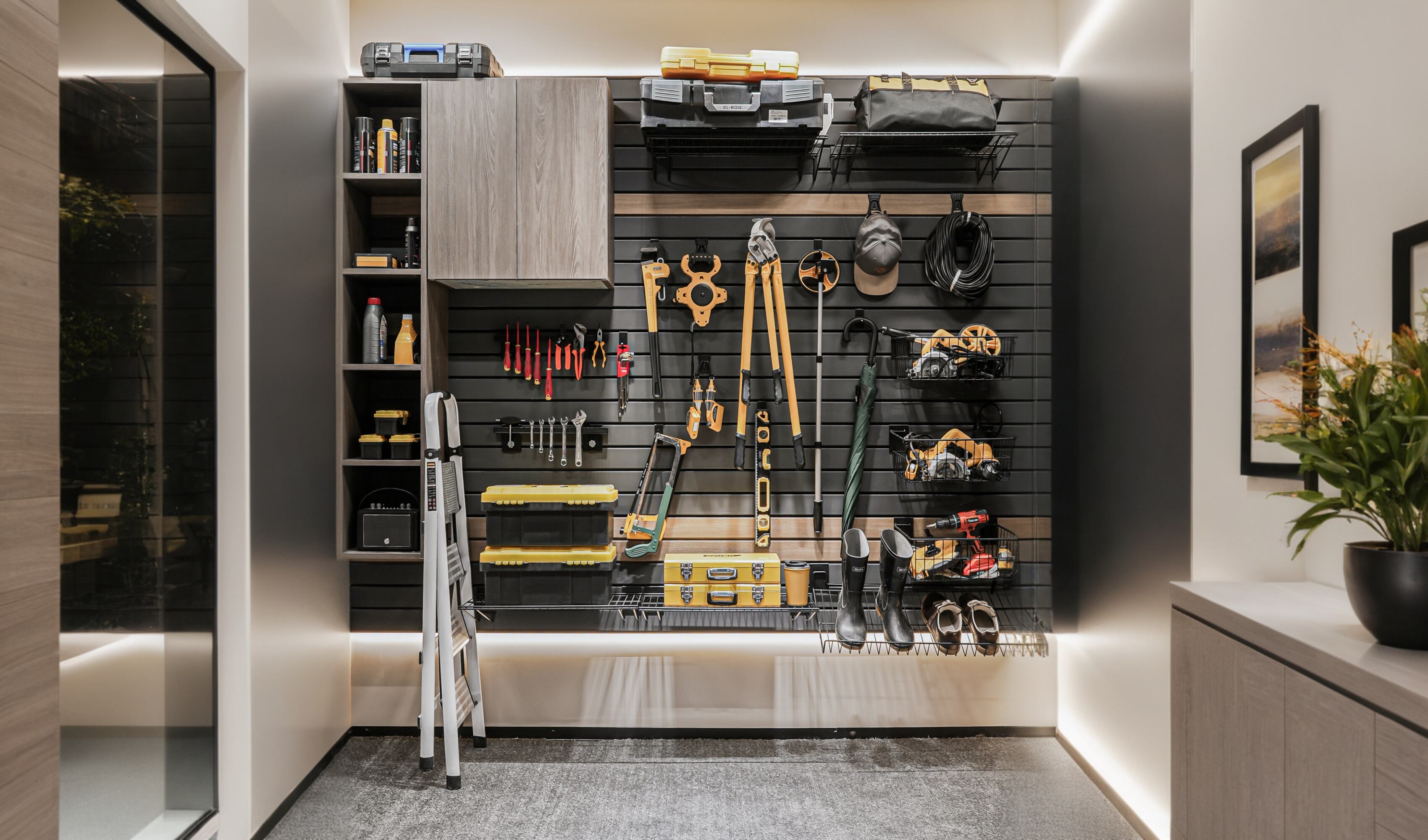
The storage rack hook represents a fundamental component in modern organizational systems, serving as the essential connection between vertical storage structures and the items they support. These specialized hardware pieces transform ordinary storage racks into versatile organizational powerhouses, enabling users to maximize space efficiency while maintaining easy access to frequently used items. Storage rack hook designs incorporate advanced engineering principles that balance weight distribution, durability requirements, and user convenience. The primary function of a storage rack hook centers on providing secure attachment points for various containers, tools, equipment, and accessories within industrial, commercial, and residential environments. These hooks utilize precision-engineered mounting mechanisms that ensure stable connections to rack uprights, crossbeams, or specialized track systems. The technological features of storage rack hook systems include corrosion-resistant coatings, load-bearing specifications that exceed standard safety margins, and universal compatibility with multiple rack manufacturers. Advanced storage rack hook models incorporate quick-release mechanisms, adjustable positioning systems, and reinforced stress points that prevent deformation under heavy loads. Applications for storage rack hook solutions span numerous industries including warehousing, manufacturing, retail merchandising, automotive service, healthcare facilities, and home organization. In warehouse environments, storage rack hook systems support inventory bins, hanging storage containers, and specialized equipment holders. Manufacturing facilities utilize these hooks for tool organization, work-in-process storage, and component accessibility. Retail applications leverage storage rack hook technology for product displays, seasonal merchandise storage, and back-room organization systems. The versatility of storage rack hook designs allows for customization based on specific load requirements, environmental conditions, and spatial constraints. These components integrate seamlessly with existing storage infrastructure while providing expansion capabilities for growing organizational needs.

 EN
EN